

- CB AcupunctureLocated inside MyChiroMom
2874 Merrick Rd
Bellmore, NY 11710(516) 448-2277 
Health WellNews
How Small Daily Habits Are Replacing Extreme Health Trends
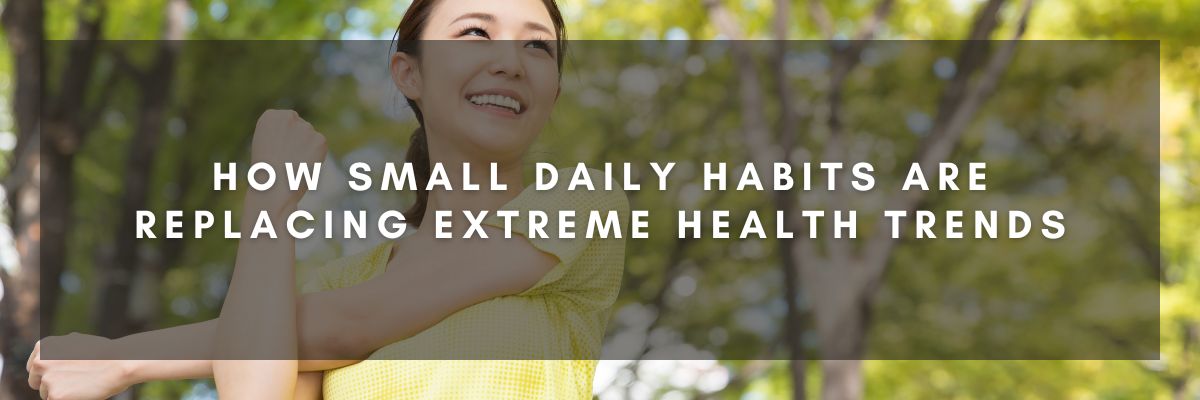
Summer has always inspired reinvention. People commit to fitness programs, overhaul their diets, and chase ambitious “summer body” goals with enthusiasm that often fades by August, if not before. But in 2026, one of the biggest summer wellness trends is moving in the opposite direction. Instead of dramatic transformations, people are embracing what experts are calling “micro wellness;” small, sustainable daily habits that improve physical and mental well-being without burnout.
This shift reflects a growing fatigue with all-or-nothing wellness culture. Consumers are increasingly prioritizing routines they can realistically maintain while balancing work, family, travel, and social commitments. The result is a more approachable version of wellness that feels less performative and more practical.
Why Extreme Wellness Is Losing Appeal
For years, wellness culture rewarded intensity. Long workouts, restrictive diets, elaborate supplement routines, and rigid self-care regimens dominated social media feeds. But many people discovered that overly complicated routines often created stress instead of relieving it. Today people want flexibility and balance.
That’s especially true during summer, when schedules become more spontaneous. Vacations, weekend outings, and longer daylight hours naturally disrupt rigid routines. Instead of fighting that reality, people are choosing wellness practices that fit seamlessly into everyday life.
This has fueled the rise of:
- 10-minute workouts instead of hour-long gym sessions
- Short mindfulness breaks throughout the day
- Portable wellness tools for travel
- Simple hydration habits
- Outdoor movement instead of structured exercise
- Sleep-focused recovery routines
According to wellness trend forecasts for 2026, “snack-sized workouts” and simplified self-care routines are becoming increasingly popular because they feel sustainable and accessible.
The Shift Toward Outdoor Wellness
Summer naturally encourages people to spend more time outdoors. Outdoor movement is becoming less about performance and more about emotional regulation, stress relief, and reconnecting with nature.
Activities like walking, hiking, paddleboarding, beach yoga, and outdoor strength circuits are replacing traditional indoor workouts for many.
This trend aligns with a broader movement toward wellness-centered outdoor living. Designers and wellness experts note that people increasingly view outdoor spaces as extensions of their mental and physical wellness routines.
Instead of exercising solely to burn calories, many people are exercising to improve mood, reduce anxiety, regulate sleep, increase energy, and recover from digital overload. That subtle shift matters because it changes wellness from punishment into restoration.
Why Recovery Is Becoming the New Status Symbol
Another defining summer wellness trend is the growing emphasis on recovery. For years, hustle culture celebrated exhaustion. Now, sleep quality, stress management, and nervous system regulation are increasingly viewed as markers of true health.
More attention is being paid to sleep optimization, red light therapy, cold plunges, breathwork, mobility training, nervous system regulation, and restorative stretching. Wellness experts predict that sleep and recovery will continue dominating wellness conversations throughout 2026 as consumers recognize the long-term effects of chronic stress and poor rest.
Summer creates the perfect environment for this trend because people often feel more emotionally open to slowing down during warmer months. Longer evenings, vacations, and outdoor socializing encourage routines that feel restorative instead of restrictive.
The Popularity of “Wellness Stacking”
Another reason micro wellness is thriving is because people are combining healthy habits together in ways that feel efficient and enjoyable.
For example:
- Walking while listening to meditation audio.
- Using light therapy during morning journaling.
- Stretching outdoors during sunset.
- Drinking protein smoothies after beach walks.
- Pairing sauna sessions with mindfulness practices.
Consumers increasingly want wellness habits that multitask. This trend is particularly popular among busy professionals who don’t want wellness to consume their entire schedule. The rise of wearable health technology has also reinforced this trend. Many people now track sleep, heart rate variability, recovery scores, and stress levels, creating greater awareness of how small daily habits affect overall well-being.
Hydration Has Become More Sophisticated
Hydration is no longer just about drinking water. Summer 2026 wellness culture is heavily focused on functional hydration, beverages that support energy, recovery, gut health, or cognitive performance. Wellness trend reports note the increasing popularity of nutrient-enhanced drinks, electrolyte blends, protein beverages, and wellness tonics.
People are becoming more educated about electrolyte balance, mineral intake, caffeine timing, sugar content, gut health support, and energy crashes. As a result, hydration has evolved into a more intentional wellness category. This is especially relevant during summer months when heat exposure, travel, alcohol consumption, and outdoor activity increase dehydration risk.
The Social Side of Wellness
Another major shift is the growing desire for community-driven wellness experiences.
People are increasingly seeking things like wellness retreats, group fitness walks, recovery lounges, outdoor yoga events, sauna social clubs, and even wellness-focused travel. Experts predict community wellness experiences will continue growing because consumers are craving connection after years of digital fatigue and social isolation.
Summer naturally supports this movement because people are more likely to gather outdoors and prioritize shared experiences. Interestingly, wellness is becoming less about aesthetics and more about emotional well-being. Instead of pursuing unrealistic perfection, many people are pursuing balance, energy, and resilience.
Why This Trend Matters Long-Term
The rise of micro wellness reflects something deeper than seasonal habits. It signals a broader cultural rejection of unsustainable self-improvement. Consumers are increasingly skeptical of extreme trends that promise quick fixes. Instead, they are prioritizing consistency, evidence-based wellness practices, and routines that genuinely improve quality of life. This shift may ultimately create healthier relationships with wellness overall.
Because the truth is: A 15-minute walk done consistently is often more powerful than a punishing workout performed once a month. A realistic bedtime routine matters more than a complicated biohacking protocol. Daily stress management creates more long-term impact than temporary detoxes. And perhaps that’s why micro wellness resonates so strongly this summer. It feels human. Instead of chasing perfection, people are learning to build wellness into their actual lives. And that may be the healthiest trend of all.
Outdoor Activities Best Enjoyed During Spring

Move More, Feel Better, and Reconnect with Nature
Spring is the ideal bridge between winter’s stillness and summer’s intensity. Temperatures are moderate, daylight extends, and nature returns to life creating the perfect environment for outdoor activity.
Exposure to natural environments reduces stress hormones, improves immune response, and enhances mood-regulating neurotransmitters like serotonin and dopamine.
Here are a few of the outdoor experiences uniquely suited to spring.
Nature Walks and Wildflower Hikes
Spring landscapes are biologically active. Plants release aromatic compounds called phytoncides that improve immune cell activity.
Benefits of hiking include reduced anxiety, lower blood pressure, and improved attention span. Every 20 minutes of outdoor activity significantly lowers stress levels.
Cycling
The cooler temperatures prevent overheating and improve endurance performance for those taking this as a fitness activity. Spring is ideal for building cardiovascular fitness before the summer heat arrives in full. But this is also an activity the whole family can enjoy. Grab the kids and find a trail to follow. They will love it after being stuck inside all winter.
Gardening
Gardening is also a great family activity or something done solo to connect with the outside. Gardening combines several great health benefits including moderate exercise, sunlight exposure, and microbiome exposure to beneficial soil bacteria. Studies show soil microbes may increase serotonin production.
Outdoor Yoga
Practicing yoga outdoors enhances mindfulness and body awareness. Natural environments reduce perceived effort, making stretching more effective. It also provides a great opportunity to get some sunshine and fresh air, especially beneficial if you make this an early morning practice to get first morning light.
Picnics
Eating outside improves digestion and encourages slower, more mindful eating patterns. Choose a spot meaningful to you so you can enjoy the beauty of your surroundings. If you have kids, pick their favorite park so you can enjoy a nice picnic and then let the kids run around and get all their energy out. After a winter indoors, make sure they have plenty of space to roam.
Bird Watching
Spring migration offers peak diversity. Observation activities improve focus and cognitive recovery. Do a little research to see if there is bird watching group in your area. If there isn’t, you might find a “virtual” group online to share observations and get tips on where to get the best views.
Kayaking or Paddleboarding
Calm spring waters and mild temperatures make water activities safe and relaxing. Find your favorite body of water, or plan a trip to warmer temperatures to enjoy a little Spring warm up on the water.
Outdoor Social Activities
Group walks, park games, and outdoor gatherings enhance emotional well-being and social connection. Grab your family, your friends, or take a risk and join a local community group to play tennis, pickleball, softball, football, golf, or swimming just to name a few.
How Spring Light Improves Mood
Morning sunlight exposure helps regulate circadian rhythm and improves sleep quality. Even just brief exposure can elevate energy levels.
Spring offers a rare balance of comfortable weather, sensory richness, and biological renewal. Outdoor activity during this season provides disproportionate mental and physical benefits compared to indoor exercise. Moving outside in spring doesn’t just improve fitness but it restores attention, elevates mood, strengthens immunity, and reconnects us to natural rhythms.
The Health Benefits of Spring Cleaning
A Seasonal Reset for Your Mind, Body, and Home
Every year, as winter fades and longer days return, many people feel an almost instinctive urge to clean, organize, and refresh their living spaces. This phenomenon is commonly known as spring cleaning and it’s more than tradition or habit. It’s deeply connected to psychology, biology, and overall well-being.
Spring cleaning isn’t just about wiping down baseboards or donating unused clothes. It acts as a powerful seasonal reset that improves mental clarity, reduces stress, supports physical health, and even boosts productivity. In many ways, decluttering your home mirrors decluttering your mind.
Let’s explore how cleaning your space can transform your health.
Clearing Space Clears the Mind
Clutter overloads the brain. Your brain constantly processes visual input, and excess objects compete for attention, even subconsciously. When everything demands focus, mental fatigue increases.
Research in environmental psychology consistently shows that disorganized environments elevate cortisol, the body’s primary stress hormone. Spring cleaning helps by:
- Reducing mental overstimulation.
- Improving focus and concentration.
- Increasing emotional calm.
- Promoting better decision-making.
People often describe a freshly cleaned home as feeling “lighter.” That sensation isn’t imaginary; your brain literally experiences less cognitive load.
The Control Effect
Cleaning also restores a sense of control. Winter months often feel restrictive due to weather, routine, and indoor living. Organizing your environment sends a strong psychological signal:
“I have agency over my life again.” This perception improves mood and combats seasonal depression symptoms that linger into early spring.
Physical Health Benefits
While the mental benefits are immediate, the physical health advantages are just as important. During winter, homes accumulate:
- Dust mites
- Pet dander
- Mold spores
- Indoor pollutants
- Fabric fibers
Spring cleaning removes these irritants, dramatically improving indoor air quality especially important as pollen season begins.
Vacuuming carpets, washing curtains, and wiping vents can:
- Reduce respiratory symptoms.
- Improve sleep quality.
- Lower sinus inflammation.
- Help asthma sufferers breathe easier.
Dust and mold trigger chronic low-grade inflammation. When inflammation decreases, immune response improves. That means fewer headaches, less fatigue, and fewer unexplained aches, many of which people incorrectly attribute to aging rather than environmental irritants.
Spring cleaning doubles as functional exercise. Depending on intensity, cleaning can burn 150–300 calories per hour. Unlike traditional workouts, it engages varied muscle groups through natural movement patterns:
- Reaching and stretching (mobility)
- Squatting and lifting (strength)
- Scrubbing (endurance)
- Walking room to room (cardio)
Because it has a purpose, people often perform it longer than structured exercise sessions. The result: improved circulation without the psychological resistance of “working out.”
Sleep Quality Improves
Clean environments influence circadian rhythms. Your brain associates tidy spaces with safety and relaxation, while clutter subconsciously signals unfinished tasks. People who maintain organized bedrooms consistently report falling asleep faster, waking less during the night, feeling more rested in the morning. Even small actions like washing sheets, reorganizing nightstands, and opening windows can improve sleep within days.
Productivity and Motivation Boost
Spring cleaning doesn’t just refresh your home; it resets behavioral momentum. Completing physical tasks releases dopamine, the brain’s reward chemical. This creates a psychological cascade: Clean → Accomplished → Motivated → Productive
Many people unknowingly use spring cleaning as a “behavioral reboot.” After organizing one space, they feel motivated to tackle finances, fitness goals, or creative projects.
Emotional Letting Go
Cleaning often involves deciding what to keep and what to release. This process can become therapeutic. Letting go of unused possessions helps people release emotional weight tied to:
- Past identities
- Old relationships
- Unfinished goals
- Guilt purchases
The act of donating items triggers positive emotional reinforcement, and generosity increases serotonin levels and feelings of purpose.
Seasonal Alignment and Biological Rhythm
Humans evolved to respond to seasonal shifts. Spring naturally signals renewal, activity, and expansion. During winter melatonin rises, activity decreases, and energy conservation dominates.
During spring daylight increases serotonin, dopamine activity rises, and motivation returns.
Spring cleaning aligns behavior with biology, making it easier to build habits compared to other times of year.
How to Maximize the Health Benefits
The first step is to work with natural light. Open windows and clean during daylight hours. Sunlight enhances mood and reduces perceived effort. The second step is to clean in categories.
Instead of room-by-room, try:
- Clothes
- Papers
- Surfaces
- Digital clutter
This prevents decision fatigue.
Next, pair your cleaning with music or podcasts. Rhythm improves endurance and mood. Finally, finish with some fresh air. Ventilate rooms for at least 20 minutes to flush indoor pollutants.
Spring cleaning is far more than a cultural tradition; it is a natural health intervention. By reducing environmental stressors, increasing physical activity, and improving psychological clarity, it supports the whole person.
You aren’t just cleaning your house. You’re resetting your nervous system, refreshing your immune system, and preparing your mind for a new season of growth.
Delicious Recipes Using Spring Fruits and Vegetables
Eat the Season for Flavor, Nutrition, and Energy
Spring produce arrives after months of heavier winter foods, bringing freshness, brightness, and renewed vitality to meals. Seasonal fruits and vegetables are not only more flavorful, but they are also more nutrient-dense because they’re harvested at peak ripeness.
Spring foods naturally support detoxification, hydration, and digestion. Their higher water content and phytonutrient profiles help the body transition from winter’s slower metabolism into a more active state. Below are easy, nourishing recipes designed to highlight the best produce of the season.
Why Seasonal Eating Matters
Spring foods tend to be:
- Lighter and hydrating
- Rich in vitamin C and antioxidants
- Naturally cleansing for the liver
- Supportive of gut bacteria diversity
Common spring produce includes vegetables like asparagus, peas, radishes, spinach, arugula, carrots, and artichokes. Spring fruits include strawberries, cherries, apricots, pineapple, and citrus.
Lemon Garlic Roasted Asparagus
This recipe supports detox pathways and digestion and has simple Spring ingredients. Asparagus contains prebiotic fibers and glutathione precursors that help liver detoxification.
Ingredients
- 1 bunch asparagus
- 2 tbsp olive oil
- 2 garlic cloves (minced)
- Zest of 1 lemon
- Salt and pepper
- Parmesan (optional)
Instructions
- Preheat oven to 400°F.
- Toss asparagus with olive oil and garlic.
- Roast 10–12 minutes.
- Finish with lemon zest and Parmesan.
Spring Pea and Mint Soup
Unlike the heavy soups we enjoy in winter, this recipe supports gut health and hydration. Light, refreshing, and rich in plant protein.
Ingredients
- 2 cups fresh peas
- 1 small onion
- 2 cups vegetable broth
- Handful fresh mint
- 1 tbsp olive oil
- Salt & pepper
Instructions
- Sauté onion in olive oil.
- Add peas and broth.
- Simmer 5 minutes.
- Blend with mint until smooth.
Strawberry Spinach Salad with Citrus Dressing
Time to round things out with a salad. This refreshing recipe supports skin health and immunity. Vitamin C from strawberries enhances iron absorption from spinach making this a perfect nutritional pairing.
Ingredients
- Baby spinach
- Sliced strawberries
- Walnuts
- Goat cheese
- Orange juice
- Olive oil
- Honey
- Dijon mustard
Instructions
Whisk dressing and toss everything together.
Spring Vegetable Frittata
Supports: This is a great option for breakfast, brunch, or dinner. The protein in this recipe stabilizes blood sugar while the vegetables provide a good source of fiber.
Ingredients
- 6 eggs
- Asparagus pieces
- Cherry tomatoes
- Green onions
- Feta cheese
Instructions
Bake at 375°F for 18 minutes.
Honey-Lime Fruit Bowl
This is a kid friendly option that is refreshing and is great for hydration and recovery.
Ingredients & Instructions
Combine:
- Pineapple
- Berries
- Kiwi
- Lime juice
- Honey
Eating seasonally reconnects nutrition to nature. Spring foods help the body shift toward energy, activity, and renewal. By choosing fresh produce and simple preparations, meals become lighter, brighter, and more nourishing; exactly what the body needs after winter.